Fall prevention at home: How to make your home safer
Many falls happen in familiar surroundings – on the way to the toilet at night, over a loose cable in the living room or on a wet bathroom floor. Fall prevention at home is not about making your home clinical or restrictive. It is about creating an environment where you can move around safely and independently in everyday life.
Small changes to your home layout, lighting, routines and suitable mobility aids can make a noticeable difference. This guide provides a practical room-by-room checklist for anyone who wants to prevent falls at home, as well as family members and carers who want to make a loved one's home safer.

Why fall prevention at home matters
A fall can have both physical and practical consequences. Beyond the risk of injury, a fall can lead to a loss of confidence, reluctance to walk around alone and reduced independence in everyday life. Not every fall can be prevented, but the risk can often be reduced by considering the person, their home and their daily habits. Read more about preventing falls in older adults on the CDC website.
Risk factors may include:
- poor balance or muscle weakness
- changes in walking ability or the need for support
- changes in vision
- dizziness
- medication that may affect balance or alertness
- previous falls
- poor lighting, clutter or slippery surfaces in the home.
If someone experiences repeated falls, new dizziness or unsteady walking, they should contact a doctor or another appropriate healthcare professional. An occupational therapist or physiotherapist can often help assess daily activities, movement and the need for support.
Quick checklist: Identify fall hazards at home
Consider checking the home together with a family member or carer. You can print this list or use it as a starting point for a discussion with home care staff or healthcare professionals.
- Have loose rugs been removed, secured or fitted with non-slip backing?
- Are cables routed along walls rather than across walkways?
- Is there good lighting at entrances, in hallways, beside the bed and on stairs?
- Are wet or slippery floors dried immediately?
- Are walkways free from boxes, small furniture, bags and other clutter?
- Are tables, chairs and other items of furniture stable?
- Do shoes and slippers have a secure heel or non-slip soles?
- Are everyday items kept within easy reach?
- Is there secure support on stairs, at thresholds and in the bathroom?
- Are furniture or towel rails being used for support even though they are not designed for it?
Start with the most obvious hazards. Often, just a few changes can make the home much easier and safer to navigate.

Entrance, hallway and living room: Keep walkways clear and safe
Entrances, hallways and living rooms are spaces where people often turn, carry items or walk with their hands full. Clear, unobstructed routes are therefore essential.
Remove or secure loose rugs, and keep cables neatly along walls. Arrange furniture so there is plenty of space to pass through – including when using a walking stick, rollator or other walking aid. Choose stable furniture, but avoid relying on chairs, tables or sofa backs for regular support. Furniture can move or tip when someone grabs hold of it.
Good lighting is also important. A ceiling light is often best complemented by lamps near seating areas and clear lighting at the entrance. Make sure light switches are easy to reach, or consider a simple motion sensor in selected areas.
If stable support is needed when walking, it may be worth exploring Mobilex's range of rollators. An indoor rollator may be a good solution for some people, but it must suit both the user's walking ability and the available space at home. Measure narrow passages and doorways before choosing a model.
Bathroom: Reduce the risk on wet and slippery floors
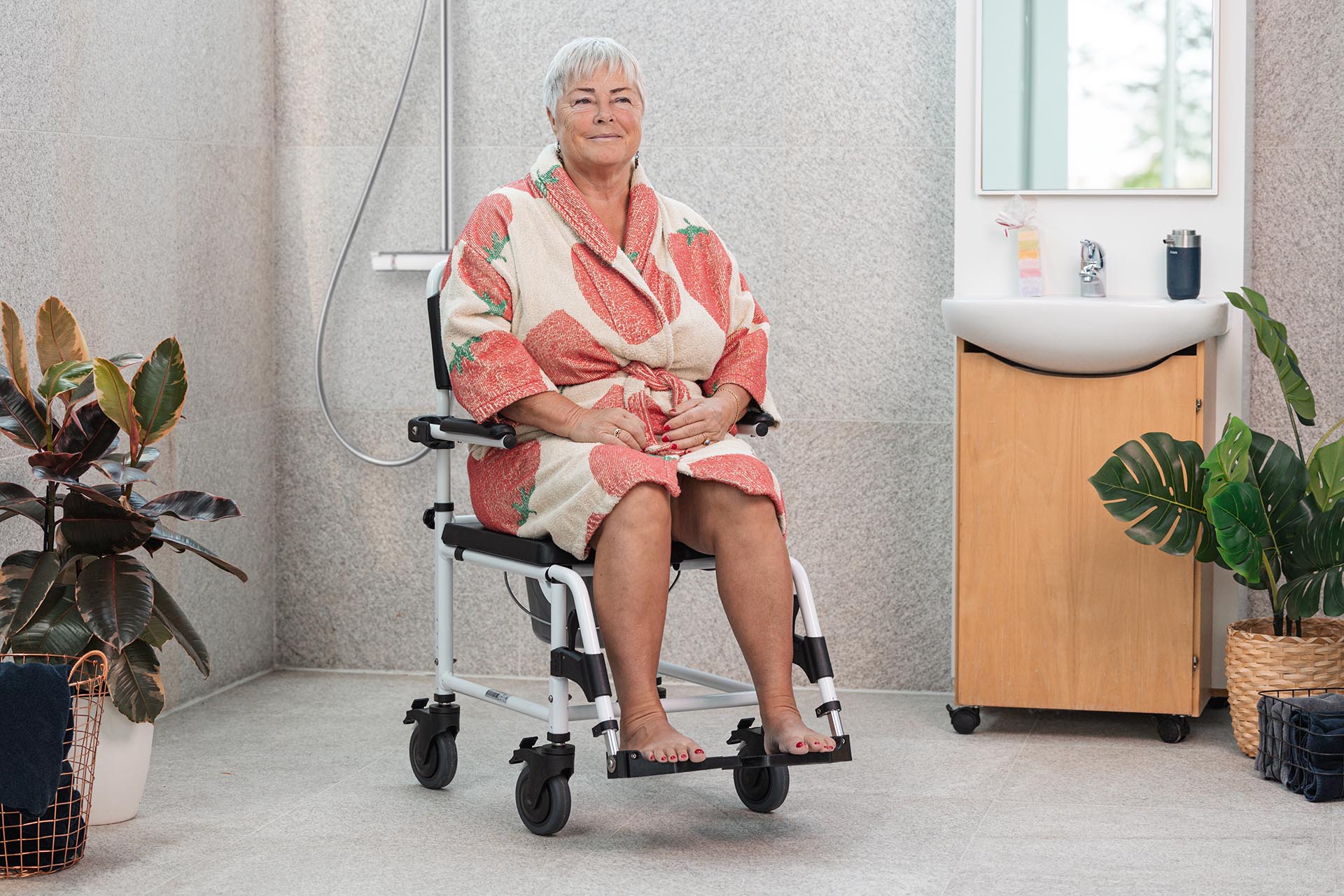
The bathroom is often one of the areas in the home with the highest risk of falling. Water, soap and slippery tiles, combined with getting in and out of the shower, using the toilet and getting dressed, can increase the risk.
Here are some practical ways to make the bathroom less slippery and provide safer support:
- Use a non-slip shower mat or another suitable anti-slip surface in the shower area.
- Dry the floor after showering and make sure mats outside the shower stay securely in place.
- Have grab rails securely installed at a height that suits the user.
- Consider a shower chair or bath bench if standing in the shower feels unsafe or tiring.
- Use a handheld shower head that can be operated while seated if a shower chair is used.
- Consider a raised toilet seat if sitting down on or standing up from a low toilet is difficult.
A bathroom grab rail can be an important part of fall prevention for older adults, but it is rarely enough on its own. The rail must be positioned correctly, suitable for its purpose and securely fitted. Towel rails, loose cabinets and shower curtain rods must never be used as substitutes for a properly installed grab rail.
Explore our range of bathroom aids, including grab rails and shower chairs, once the user's needs and the available space have been assessed.

Bedroom: Make night-time trips to the toilet safer
Many falls happen when people get up quickly in the dark or walk sleepily towards the toilet. Keep the route from the bed to the door or toilet as clear and easy to follow as possible. Remove loose items, rugs and cables from the route.
An easily accessible night light can make it easier to find your way without glare. Keep a phone or personal alarm within reach so there is no need to stretch or walk around to get it.
The bed should be at a height that allows the user's feet to rest firmly on the floor and makes standing up possible without pulling on unstable furniture. A bedside table can keep glasses, water and medication within easy reach. For some people, a bed support handle may be useful, but it must suit their needs and be used correctly.
You can also explore Mobilex's range of various daily living aids.

Kitchen: Avoid stretching, climbing and rushing
In the kitchen, falls can occur when someone reaches up, bends down too far or tries to grab something in a hurry. Keep everyday items such as glasses, plates, mugs, food and cooking utensils between hip and shoulder height.
Avoid standing on a chair, stool or step to reach high cupboards. A reacher can be a useful aid for picking up light objects from the floor or reaching items just beyond comfortable reach. However, it is not suitable for heavy, hot or unstable objects.
Clean up spills immediately, and wear shoes with non-slip soles rather than slippery slippers. If breaks are needed while cooking, a stable kitchen chair with armrests may be more suitable than standing for long periods or leaning on the worktop.
Small changes to the kitchen layout can make everyday tasks easier and reduce the risk of falls. See also Mobilex's range of practical daily living aids, which can support independence and make everyday activities more manageable.
Stairs, thresholds and entrances: Watch out for changes in level
Stairs need particular attention. A handrail on at least one side is important, and for some people handrails on both sides provide better support. Ensure good lighting, keep steps clear and consider highlighting stair edges with a contrasting colour if vision is impaired.
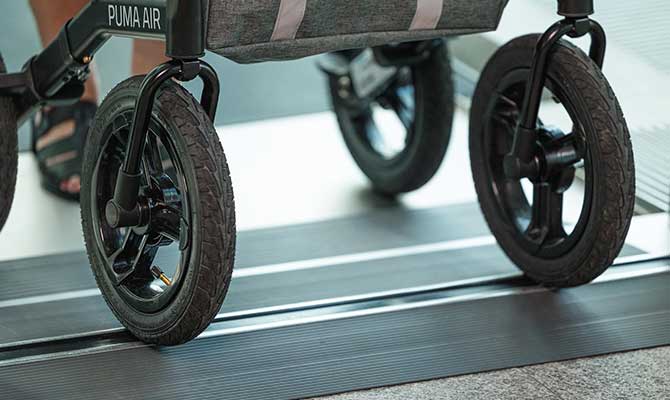
Small thresholds and changes in floor level can be difficult to negotiate, especially with a rollator or wheelchair. A ramp can make it easier to move around the home, but choosing the right solution is essential. The ramp's length, gradient and surface must be suitable for the mobility aid being used so that the ramp does not introduce a new hazard.
Unsure which ramp is right for you? Our ramp selection guide explains gradients, measurements and the key things to consider before choosing.
Want to make it easier to cross thresholds and small changes in floor level? Explore Mobilex's range of threshold ramps, which can help create more accessible transitions around the home.
Choose aids that suit the person and the home
Fall prevention aids work best when they are chosen to match the individual's abilities, habits and home. There is no single solution that suits everyone.
| Everyday need | Possible aids |
|---|---|
| Support when walking | Rollators, walking frames and walking sticks |
| Safer personal care | Shower chairs, bath benches, grab rails and raised toilet seats |
| Support at the bedside or for reaching things | Bed support handles, bedside tables and reachers |
| Crossing changes in floor level | Threshold ramps, once the conditions have been properly assessed |
Before buying, measure the available space at home, including doorways, the bathroom and turning areas. Always check the product's maximum user weight and read the instructions for use. If you are unsure about your needs, height adjustments, installation or safe use, seek advice from a professional. If you have a long-term disability, you can also read about home adaptations and assessments on the NHS website (guidance for England).
Explore Mobilex's complete range of aids for a safer, more independent everyday life.

Improve safety with good everyday habits
Fall prevention at home also depends on daily habits. Simple routines can help reduce the risk of falling:
- Stand up slowly and pause for a moment before you start walking.
- Use your prescribed or recommended walking aid consistently – even for short distances at home.
- Turn on the lights before walking through rooms or using the stairs.
- Wear glasses with an up-to-date prescription if needed.
- Choose well-fitting shoes with non-slip soles.
- Take breaks when tired instead of rushing.
Balance and strength training may benefit many people, but it should be tailored to the individual in consultation with a physiotherapist or another healthcare professional. If medication could be contributing to dizziness or balance problems, ask a doctor or pharmacist to review it.
When should you seek professional help?
It is important to act if falls or unsteady walking become more frequent or change. Depending on the situation, contact a doctor, physiotherapist, occupational therapist or local support service if you experience:
- a fall without an obvious cause
- several falls within a short period
- sudden or new dizziness
- fainting
- new difficulties walking or standing up
- pain after a fall
- increasing fear of falling.
In the event of a serious injury or a suspected head or hip injury, follow local emergency medical advice. A professional assessment can help identify possible causes and suitable changes to the home, exercise routine or mobility aids. If dizziness keeps returning, you can read more about dizziness and when to seek help on the NHS website.
Home fall prevention checklist
Do today
- Clear clutter, loose cables and unsecured mats from walkways.
- Dry wet floors and check non-slip surfaces in the bathroom.
- Make sure the route between the bed and toilet is clear.
- Keep the phone, glasses and other essentials within reach.
- Wear secure shoes or slippers with good grip.
Consider this week
- Check lighting in the entrance, living room, bedroom, bathroom and on stairs.
- Move frequently used items to an accessible height in the kitchen and cupboards.
- Consider whether grab rails, a shower chair, a raised toilet seat or a walking aid are needed.
- Measure doorways and available space if considering an indoor rollator.
- Arrange to review the home with a family member or carer.
Seek an assessment if needed
- Repeated falls, new dizziness or unsteady walking.
- Installation and positioning of grab rails.
- Need for a ramp at a threshold or entrance.
- Correct height and use of a rollator, walking stick or other walking aid.
- Exercise, rehabilitation or local support programmes.
Frequently asked questions about fall prevention
How can you prevent falls at home?
To help prevent falls at home, remove trip hazards, provide good lighting, keep floors dry and use appropriate support or mobility aids when needed. Adapting daily routines also matters, such as standing up slowly and wearing secure, well-fitting shoes or slippers.
Which areas of the home have the highest risk of falls?
Bathrooms, bedrooms at night, stairs and walkways are often the areas with the greatest risk. Typical hazards include water and slippery surfaces, darkness, changes in floor level and clutter in frequently used spaces.
Which aids can reduce the risk of falls in older adults?
It depends on individual needs. Examples include rollators, walking sticks, grab rails, shower chairs, raised toilet seats, bed support handles, reachers and ramps. The right aid must suit both the person and their home.
Are bathroom grab rails enough to prevent falls?
Not necessarily. Grab rails provide useful support, but they should be combined with non-slip surfaces, dry floors, appropriate lighting and, if needed, a shower chair or raised toilet seat. Grab rails must always be securely and correctly installed.
When should you use an indoor rollator?
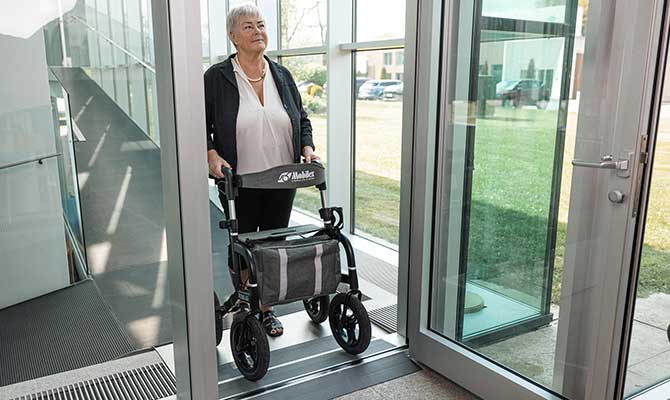
An indoor rollator may be useful if someone needs stable support when walking at home. It must be adjusted correctly, fit through doorways and be used on clear, even walkways. Seek professional advice if you are unsure. You can also read our guide to choosing the right rollator.
What should you do if an older person falls frequently?
If an older person falls repeatedly, contact a doctor or an appropriate healthcare professional. An assessment of balance, walking ability, vision, medication or the home environment may be needed.
How can you make stairs and thresholds safer?
Use handrails and good lighting, and keep stairs clear. In some situations, a ramp can make thresholds easier to cross, but its gradient and dimensions must be appropriate for the person and any mobility aids used.
Can a shower chair help prevent falls at home?
Yes. A shower chair can make bathing more manageable for people who find it difficult to stand safely or for long periods. It must be stable, fit the shower area and be used alongside other appropriate safety measures.
Find the right aids at Mobilex
A safer home starts with understanding everyday needs. With a suitable layout and carefully selected aids, it can become easier to move around the home safely and independently.
Need help finding the right aids?
At Mobilex, you will find a wide selection of aids that can help make everyday life safer. Contact a Mobilex dealer for help finding solutions that suit your needs and your home.
Interested in becoming a Mobilex dealer?
Do you run a shop or business and want to offer Mobilex aids to your customers? Find out more about becoming a Mobilex dealer.
